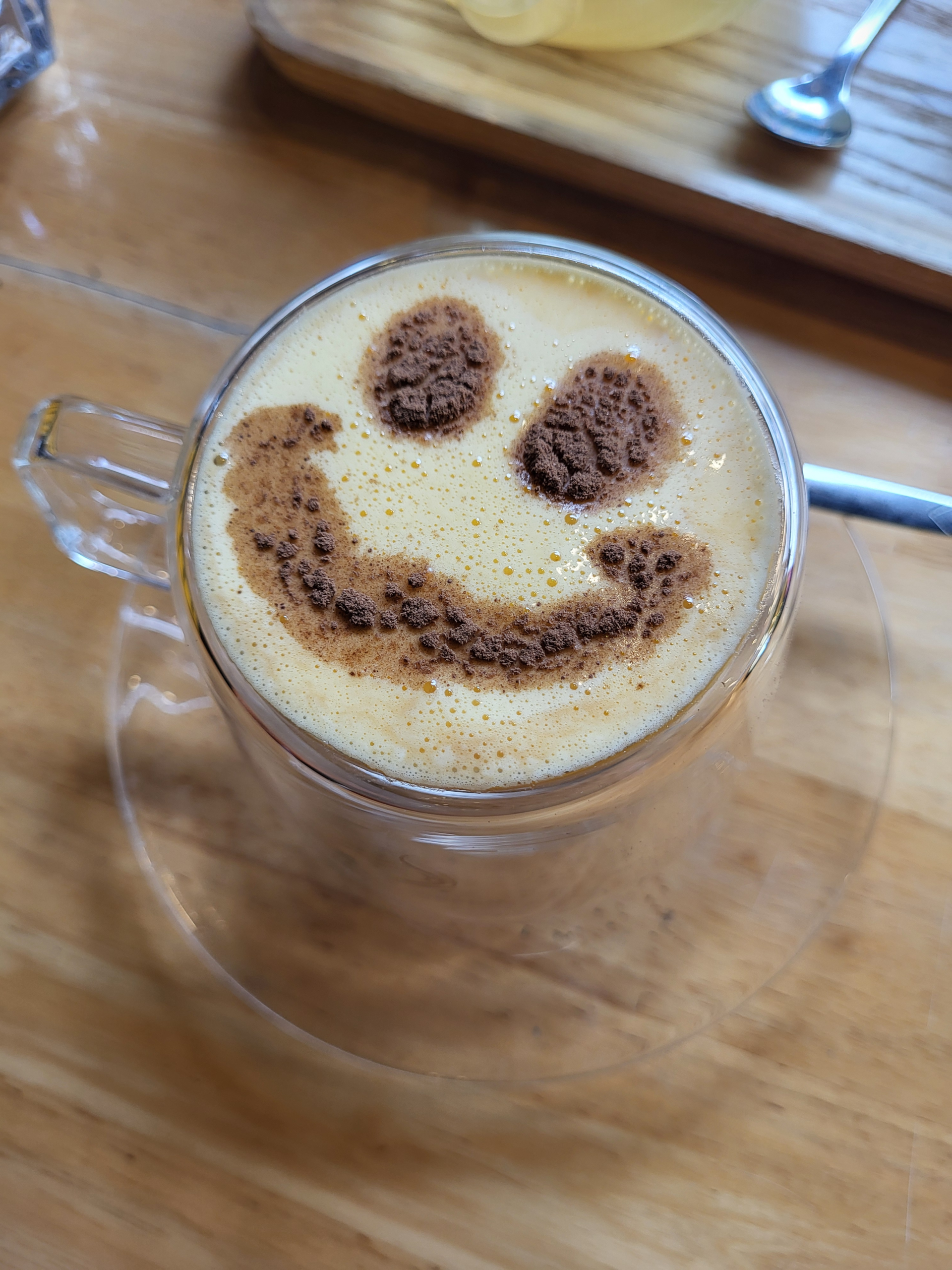
If there’s one thing you must experience in Vietnam, it’s the coffee. Vietnam is the world’s second-largest coffee producer, and its unique drinks are unlike anything you’ll find elsewhere.
When I visited Hoi An, I fell in love with the incredible variety – from creamy egg coffee to surprising salt coffee and refreshing coconut coffee.
In this guide, I’ll share the history of Vietnamese coffee, how these specialty drinks taste, and why sipping them in Hoi An is an unforgettable travel experience.
The History of Vietnamese Coffee
Coffee was introduced to Vietnam by the French in the 19th century, but it quickly took on its own identity. Instead of the smooth arabica beans common in Europe, Vietnam embraced robusta beans, stronger, bolder, and naturally higher in caffeine.
To balance the bitterness, locals began using sweetened condensed milk, creating the now-famous cà phê sữa đá (Vietnamese iced coffee). Over time, new variations emerged, including egg coffee, salt coffee, and coconut coffee, each with its own story and flavour.


Egg Coffee in Vietnam (Cà Phê Trứng)
I was a little hesitant at first….egg in coffee? But in Hoi An, I gave it a try, and I was hooked. This was by far my favourite type of coffee, and, honestly, I think I became a bit addicted after a few weeks! It’s like sweet, gooey rocketfuel.
Egg coffee was invented in Hanoi in the 1940s when milk was scarce. A whisked mixture of egg yolks, sugar, and condensed milk was used instead, creating a thick, custard-like foam on top of strong coffee.
The result? A drink that tastes like liquid tiramisu – sweet, creamy, and indulgent, with just enough bitterness to balance it out.
Best enjoyed: slowly, with a spoon, almost like a dessert (so good!)

Salt Coffee in Vietnam (Cà Phê Muối)
This one was the biggest surprise for me. Salt coffee originated in Hue but has spread across Vietnam, and in Hoi An I found plenty of little cafés serving it.
The first sip might seem unusual, but the salted cream enhances the flavour of the coffee, creating a smooth, almost caramel-like sweetness. It’s rich, balanced, and a perfect example of how Vietnamese coffee wakes you up with a jolt but is tasty enough to have you going back for more.

Coconut Coffee in Vietnam (Cà Phê Cốt Dừa)
On hot afternoons wandering the lantern-lit streets of Hoi An, nothing hit the spot like coconut coffee. This drink blends coconut cream, condensed milk, and coffee into something that tastes part coffee, part tropical milkshake.
It’s refreshing, energising, and one of the best ways to cool down in Vietnam’s warm climate.

Classic Vietnamese Iced Coffee (Cà Phê Sữa Đá)
Of course, no morning in Vietnam is complete without the classic Vietnamese iced coffee. Strong robusta coffee drips slowly through a traditional phin filter, then is mixed with sweetened condensed milk and poured over ice.
It’s the drink that fuels Vietnam’s streets, and one I never got tired of. Sitting at a roadside café in Hoi An with a glass of cà phê sữa đá while scooters zipped by gave me that much needed boost during long days sightseeing or running Jai around with his worldschool hub.

Why You Should Try Vietnamese Coffee in Hoi An
What makes Vietnamese coffee so special is its creativity and history. Every drink has a story, whether it’s the resourceful invention of egg coffee, the surprising balance of salt coffee, or the tropical twist of coconut coffee.
In Hoi An, where traditional cafés and modern coffee shops sit side by side, you’ll find the perfect place to try them all.
Travel tip: Many cafés in Hoi An offer coffee-making classes so you can learn how to brew these drinks at home.
Final Thoughts: A Coffee Experience Like No Other
If you’re visiting Vietnam, make time to explore its coffee culture. From egg coffee in Hoi An to coconut coffee by the beach, every cup is more than a caffeine hit. It’s part of Vietnam’s story.
So, whether you’re a coffee enthusiast or just curious, don’t miss out. Vietnamese coffee isn’t just a drink. It’s an experience.
Thinking about travelling to Vietnam with kids? Or curious about what life slow travelling the world is really like?
Drop your questions in the comments or connect with us on Instagram @realtravelfamily. We love sharing the reality of life of a full-time, worldschooling travel family.